
Is Recreational Drug Use Immoral? A Critical Look at Tim Hsiao's Argument | Psychedelics-Community

Timothy Hsiao is a controversial Christian thinker. He defends factory farming and supports the Second Amendment. He writes in support of beating children and waging the war on drugs.Hsiao holds that mind-altering drugs are unethical beyond very narrow and well-defined exceptions. He condemns all recreational use as an immoral misuse of our faculties, the ones that make us free and human.

Order, Chaos, and Consciousness: Examining the Entropic Brain Hypothesis | Chemical Collective

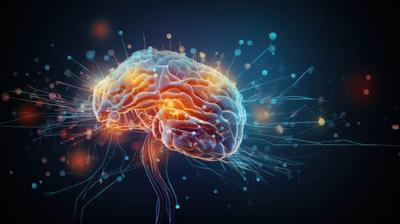
How does the coordinated activity of billions of neurons give rise to the richness of subjective experience? Among the many frameworks proposed is the Entropic Brain Hypothesis (EBH). First articulated by Robin Carhart-Harris and colleagues in 2014, EBH argues that the quality of consciousness can be indexed by the entropy – the randomness or diversity – of brain activity patterns. Is it true?

Beyond Blue Mondays: The Problem of Post-Psychedelic Depression | Chemical Collective

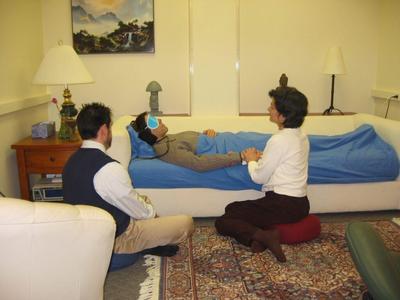
The day after a psychedelic trip is often described in two very different ways. For some, there’s the “afterglow”: a lingering sense of joy and clarity that can last days or even weeks. But there’s also a lesser-acknowledged counterpart: the psychedelic hangover, which may accompany an afterglow in some mitigated form. This can mean feeling drained, irritable, foggy, or emotionally flat in the hours or days after a session.  Sometimes, this dark mood doesn't stop, and people develop debilitating depressive disorders.
Load More Articles