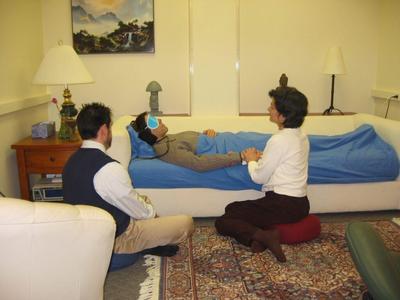

Should Psychedelic Trials Stop Playing Music? | Psychedelics-Community

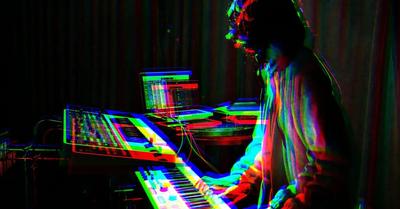
Music accompanies almost every modern psilocybin, MDMA, or ketamine-assisted therapy session. The practice is inherited from 1950s–70s LSD research and carried, largely unexamined, into today's live Phase 3 drug-development programs. It has been called “the hidden therapist”, capable of deepening the psychedelic state, conjuring emotions and ideas. Who makes the playlists? Can we take music for granted?

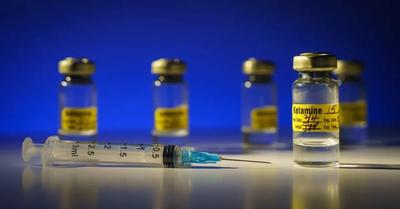
Are Britain's Ketamine Clinics in Need of Regulation? Part Two: Delivery, Testimonials, and Regulation | Psychedelics-Community

In part two of our deep dive into Britain's ketamine clinics, we explore the murky territories of promotion, testimonials and marketing. What are the ethical limits of marketing around psychoactive drugs? Does ketamine's experimental status imply that few, if any, positive claims be made? And how much autonomy should we ascribe to society's most vulnerable people - not least when they're paying five figure sums?

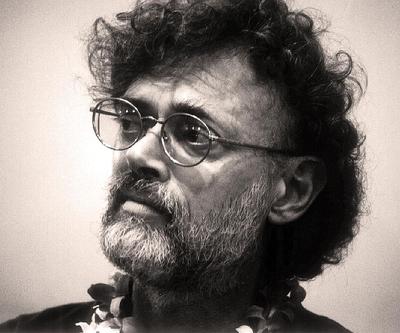
Is Recreational Drug Use Immoral? A Critical Look at Tim Hsiao's Argument | Psychedelics-Community

Timothy Hsiao is a controversial Christian thinker. He defends factory farming and supports the Second Amendment. He writes in support of beating children and waging the war on drugs.Hsiao holds that mind-altering drugs are unethical beyond very narrow and well-defined exceptions. He condemns all recreational use as an immoral misuse of our faculties, the ones that make us free and human.

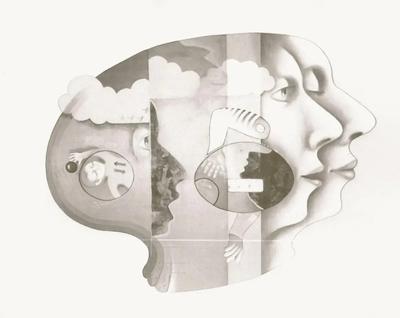
Order, Chaos, and Consciousness: Examining the Entropic Brain Hypothesis | Chemical Collective

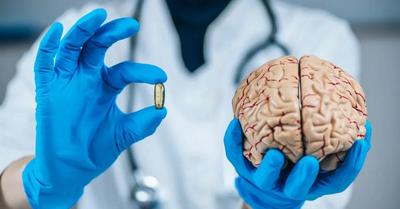
How does the coordinated activity of billions of neurons give rise to the richness of subjective experience? Among the many frameworks proposed is the Entropic Brain Hypothesis (EBH). First articulated by Robin Carhart-Harris and colleagues in 2014, EBH argues that the quality of consciousness can be indexed by the entropy – the randomness or diversity – of brain activity patterns. Is it true?
Load More Articles